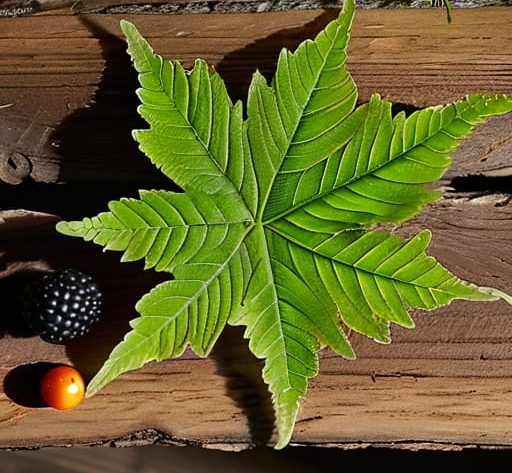
I remember standing on a sodden ridge in the Cairngorms back in 2012, trying to explain to a group of hikers why we couldn’t use a specific patch of scrub for shelter, only to realize I couldn’t quite name the species myself in the fading light. Most people think you need a heavy, leather-bound encyclopedia or a dozen expensive apps to make sense of the landscape, but that’s nonsense. You don’t need a library; you need to know how to look. This isn’t some academic lecture; it’s a complete guide to identifying trees and plants designed for when the wind is biting and you actually need to know what’s in front of you.
I’m not going to bore you with Latin names you’ll never use or glossy photos that don’t show how a leaf looks when it’s battered by sleet. Instead, I’m going to give you the practical shortcuts I’ve used over twenty-two years in the field—the things like bark texture, growth patterns, and scent that actually matter when visibility drops. I promise to stick to what I’ve seen with my own eyes in the rain and the wind, focusing on the details that help you read the hills, not just name them.
Table of Contents
Decoding Leaf Shape and Margin Characteristics Under Low Light
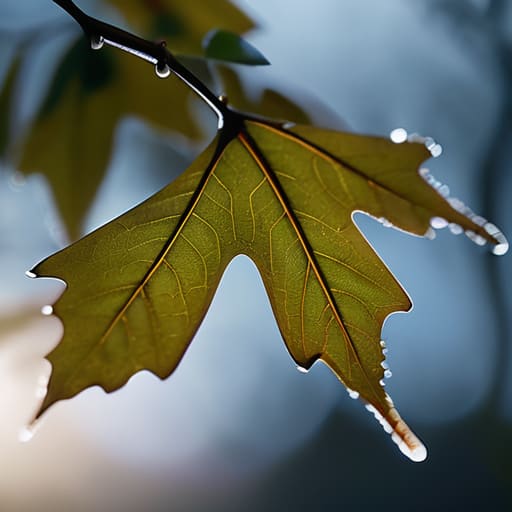
When the light starts to fail or a mist rolls in off the ridge, your ability to rely on fine detail vanishes. You can’t sit there squinting at a tiny vein in the dark; you need to switch to broader leaf shape and margin characteristics. In low light, I stop looking for the specific serration of an edge and start looking at the silhouette. Is it lobed like an oak, or is it a simple, entire oval? If you’re trying to distinguish between species in the gloaming, focus on the overall geometry of the leaf rather than the microscopic textures.
Don’t make the mistake of assuming a leaf looks the same at 4:00 PM as it does at noon. If you’re navigating a descent in fading light, your eyes will struggle with depth perception, making it hard to see the distinction between deciduous vs evergreen features. I’ve seen too many people misidentify a shrub in the twilight because they were looking for a specific pattern that wasn’t there. Instead, feel the leaf if you have to. The physical structure—the stiffness of a holly leaf versus the limpness of a willow—will tell you more when your vision is failing than any visual guide will.
Bark Texture Recognition Reading the Forest When the Leaves Fall
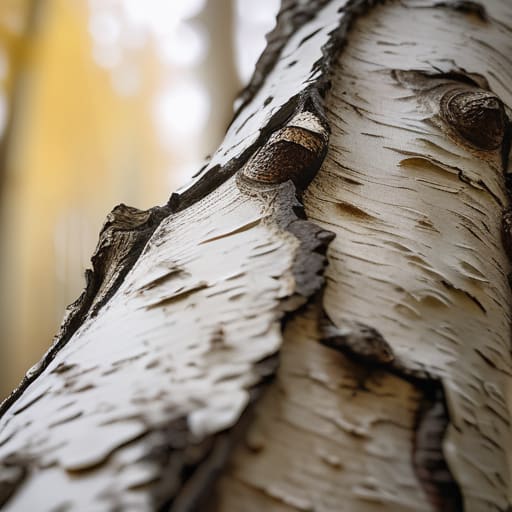
When the canopy thins out and you lose those easy leaf shape and margin characteristics to rely on, you have to switch your focus downward. Bark texture recognition becomes your primary way of reading the landscape, especially when the mist rolls in and everything turns that flat, grey shade of nothing. I’ve spent many a November afternoon in the Lake District trying to spot a specific birch amongst a stand of beech, and if you aren’t looking at the way the light hits the fissures or the peeling layers, you’re just guessing.
Don’t just look for “rough” or “smooth.” Look for the patterns of the cracks. A mature Oak has deep, rugged valleys that catch the light differently than the papery, silver skin of a Birch. I’ve used my old trusty hand lens for twenty years to check the tiny lenticels on bark, and it’s often those minute details that confirm a species when the seasonal plant phenology has stripped the branches bare. If the bark feels corky or scales off in plates, you’re looking at a completely different survival strategy than a tree with tight, waxy skin.
Five Practical Rules for Not Getting Lost in the Undergrowth

- Check the arrangement of the leaves on the stem, not just the shape; knowing whether they are alternate or opposite is the quickest way to rule out half your options when the light is failing.
- Use your sense of smell as a secondary diagnostic tool, because nothing confirms a crushed mint or a bruised eucalyptus faster than a direct sniff when your eyes are playing tricks in the mist.
- Pay attention to the “habit” or the overall silhouette of the plant from a distance, as a tree’s growth pattern often tells you more about its species than a single close-up leaf inspection ever will.
- Always look for the “companion plants” growing at the base, because certain ferns or mosses have very specific relationships with certain trees, and they can act as a reliable clue when the primary specimen is obscured.
- Don’t trust a single characteristic in isolation; I’ve seen too many people misidentify a shrub because they focused on one serrated edge and ignored the fact that the fruit or the bud structure was completely wrong for the species.
## Why Identification Matters Beyond the Photo Op
Most people think plant ID is about collecting pretty pictures for a folder, but when you’re navigating a descent in a thickening mist or trying to find a sheltered spot for a bivvy, knowing exactly what’s under your feet—whether it’s a stable patch of moss or a deceptive bed of stinging nettles and brambles—is the difference between a successful day and a very long, very uncomfortable night.
Bridget Halloran
Beyond the Identification Guide

At the end of the day, identifying a species isn’t just about matching a leaf shape to a diagram in a guidebook; it’s about building a mental map of the landscape you’re moving through. We’ve covered how to read the serrated margins of a leaf in fading light and how to use bark texture to find your way when the canopy is bare. But remember, no single feature tells the whole story. You have to look at the context of the habitat, the way the soil feels underfoot, and how the light hits the branches. If you rely on just one detail, you’re asking for a mistake, and in the hills, a mistake in identification can mean the difference between a pleasant walk and a very difficult situation.
Once you start seeing the forest as a collection of individual lives rather than just a green blur, the way you walk changes. You stop just moving through space and start actually occupying it. It’s a slow, sometimes tedious process of observation, but it’s what turns a hiker into someone who truly belongs in the outdoors. Don’t get discouraged if you can’t name every species on your first outing; even after twenty-two years, I still occasionally have to stop and squint at a stubborn specimen. Just keep your eyes open, keep your wits about you, and let the landscape teach you its language at its own pace.
Frequently Asked Questions
How do I distinguish between similar-looking species when the weather turns and everything is soaked or covered in frost?
When everything is sodden or glazed in frost, stop looking for color; it’s gone. You have to rely on architecture. Focus on the silhouette and the structural rigidity of the stem. A frost-covered willow looks nothing like a birch, even if the leaves are obscured. I’ve spent many a damp morning in the Cairngorms realizing that when the visual cues fail, you look at the branching patterns and how the plant meets the ground. Texture is your last reliable witness.
What are the most reliable ways to identify plants if I don't have a guidebook or a phone with signal?
When the signal drops and the guidebook is buried at the bottom of your pack, stop looking at the whole plant and start looking at the patterns. Focus on the arrangement: are the leaves growing opposite each other on the stem, or are they staggered? Check the stem shape—is it square like a nettle or round? Use your hands to feel the texture of the leaves. It’s slower, but it’s how you survive a misidentification.
Are there specific plants or trees I should be looking for that indicate changes in the terrain or upcoming weather shifts?
You aren’t looking for a crystal ball, but you can read the landscape. If you see a sudden shift to willow or alder, you’re hitting ground that stays wet; expect boggy, energy-sapping terrain ahead. Watch the way the trees lean—heavy wind-scars or stunted growth on ridges tell you exactly how the weather behaves when it’s angry. I’ve spent years watching how certain mosses thicken on the windward side; it’s a reliable indicator of the prevailing moisture.