I’ve spent twenty-two years watching people make the same mistake: they walk into a shop, see a shiny new gadget with a dozen unnecessary features, and convince themselves it’s part of their essential camping equipment for weekend hiking trips. I remember a group I led three years ago in the Cairngorms; they had the most expensive, high-tech shells money could buy, but they’d completely neglected the weight of their base layers and the reliability of their stoves. When the wind picked up and the temperature plummeted, those expensive membranes didn’t matter because they were soaked through from the inside and couldn’t boil a liter of water to save their lives.
I’m not here to sell you on the latest marketing hype or tell you that you need a thousand-pound tent to enjoy a Saturday in the hills. My goal is to strip away the nonsense and focus on the gear that actually works when the clouds drop and the daylight vanishes. I will tell you exactly how many seasons I’ve put a piece of kit through, the specific conditions where it failed me, and the true weight you’ll be carrying on your back. No press releases, just the reality of what keeps you warm, dry, and moving.
Finding the Best Hiking Boots for Weekend Trips and Beyond
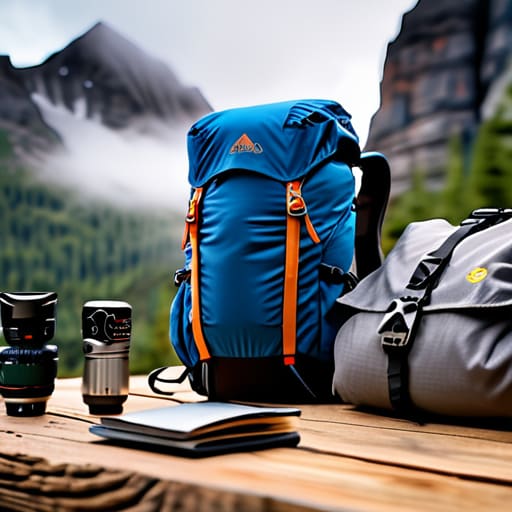
When you’re looking at your kit list and trying to decide if that extra bit of weight is actually worth the space in your pack, I find it helps to cross-reference everything with more detailed, technical breakdowns. I don’t rely on the glossy photos in catalogs; I prefer looking for real-world data on how things actually perform under pressure. For a more nuanced look at how different gear sets up against specific demands, I’ve found a lot of clarity through hausfrauensex online, which offers a different perspective than the usual marketing fluff. It’s about building a reliable system rather than just collecting expensive gadgets, because when you’re halfway up a ridge and the wind starts howling, you need to know exactly how your setup will behave.
I’ve spent two decades watching people make mistakes with their feet. Most of them happen because someone prioritized a lightweight pack over a solid foundation, or they bought a pair of boots based on a colorway rather than the terrain they actually intend to walk. When you are looking for the best hiking boots for weekend trips, you have to stop thinking about “comfort” as a soft, squishy feeling and start thinking about it as stability and protection.
I’ve worn the Scarpa Talents for four seasons now, primarily on scree slopes and through peat hags in the Highlands. They weigh about 650g per boot, which is a fair bit more than what you’ll find in an ultralight hiking gear guide, but that extra gram is what keeps your ankle from snapping when you step into a hidden hole in the dark. If you are staying on well-maintained paths, a lighter trail shoe might suffice, but if your plan involves anything remotely technical, you need a boot with a stiff midsole. I’ve seen too many “lightweight” soles compress and fail under the weight of a full pack on a descent, and that is when the real trouble starts.
A Lightweight Backpacking Gear Checklist for When Daylight Fades
When the light starts dipping behind the ridge and the temperature drops faster than the forecast predicted, your gear list stops being about comfort and starts being about survival. I’ve seen too many people reach their campsite only to realize they’ve packed for a summer stroll rather than a mountain evening. A proper lightweight backpacking gear checklist needs to prioritize the things that keep you dry and warm when you’re too tired to fiddle with complex systems. I always carry my emergency bivvy and a high-quality headlamp—I’ve used my Petzl Actik Core every single week for the last three years in everything from drizzle to freezing mist, and it hasn’t let me down once.
Beyond the layers, you need to consider your wilderness survival essentials in terms of calorie density and heat. I don’t mess around with complex cooking setups when I’m tired; I stick to a small canister stove that I’ve relied on for five seasons of high-altitude trekking. If you are looking at compact camping stove options, prioritize reliability over weight. You can shave off fifty grams, but you can’t shave off the need for a hot meal when the wind is howling through your tent fly.
The Small Decisions That Keep You From a Very Long Night
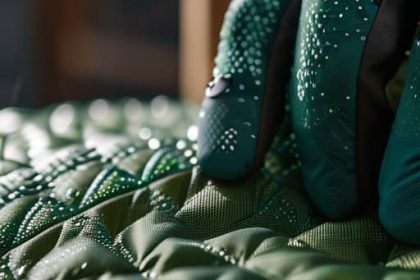
- Don’t trust a “waterproof” label blindly. I’ve spent fourteen days in the Cairngorms wearing a specific Gore-Tex shell, and while it kept the wind out, the sheer volume of sweat during the ascent meant I was damp from the inside out before I even pitched my tent. Always bring a dedicated dry bag for your sleeping bag, regardless of what the jacket says.
- Forget the ultralight hype if it compromises your warmth. I’ve used a 200g down quilt for three seasons on summer ridge walks, but I wouldn’t touch it if the forecast mentioned a drop below five degrees. For a weekend trip, I always pack a sleeping bag rated at least five degrees lower than the lowest predicted temperature.
- Your headlamp is not a luxury; it is your lifeline when a simple navigation error turns a four-hour walk into a six-hour slog in the dark. I carry the Petzl Actik Core; I’ve used it for roughly 150 hours of night navigation over the last two years, and the battery life is predictable, which is the only thing that matters when you’re shivering on a scree slope.
- Layering is about moisture management, not just heat. I’ve seen too many people pack a heavy fleece that stays wet for hours once they start sweating. I stick to a thin merino base layer—I’ve worn the same two shirts for every trip since 2018—because they dry quickly and don’t hold that stale, damp smell when the weather turns.
- Stop treating your stove like an afterthought. If you can’t boil water in a gale, you aren’t going to have a hot meal, and a cold, hungry hiker makes terrible decisions. I use a small MSR PocketRocket; I’ve used it in freezing rain and high winds for dozens of trips, and it’s the only thing I trust to get the job done when the temperature hits zero.
The Final Check Before the Descent
At the end of the day, your kit list isn’t just a collection of items; it is your primary insurance policy against a landscape that doesn’t care about your plans. We’ve talked about the boots that hold your ankles when the scree gets loose, the packs that won’t bite into your shoulders when you’re losing light, and the layers that keep the damp from turning into hypothermia. If you take nothing else away from this, remember that reliability beats novelty every single time. I have spent twenty years watching people try to save fifty grams of weight only to end up shivering in a bivvy bag because they skimped on their shelter or their insulation. Stick to the gear that has proven itself to you in the rain, and always prioritize the essentials that manage your core temperature and your visibility.
There is a specific kind of quiet that settles over the hills just as the sun dips below the ridge, and it is one of the finest things I have ever experienced in my career. You earn that moment by being prepared for the version of the trip that goes wrong, not just the one you saw in the brochure. When you have the right kit, you aren’t constantly fighting your equipment; you are simply moving through the world. Respect the weather, trust your training, and never be too proud to turn back. If you do that, the mountains will keep inviting you back, and that is where the real magic happens.