I’ve spent enough nights in a sodden tent, listening to the rain hammer against the flysheet while my spare socks felt like cold sponges, to know that most gear advice is useless. People will spend a fortune on a high-end, breathable waterproof jacket, only to realize they’ve neglected the most basic fail-safe: their internal kit protection. I see it constantly—hikers relying entirely on a rucksack cover, thinking that a bit of nylon over the top is enough to keep their sleeping bag dry. It isn’t. If you are trying to figure out how to choose a rucksack liner or dry bags, you need to stop listening to the marketing fluff about “advanced waterproofing” and start thinking about volume, weight, and actual deployment when you’re shivering in the dark.
I’m not here to sell you on a specific brand or repeat a glossy press release. Instead, I’m going to give you the practical reality of what works when the weather turns foul on a ridge. I will tell you exactly which setups I have used over the last decade of leading groups and which ones are just expensive dead weight. We’ll look at the math of capacity versus weight, and I’ll tell you why a single liner is rarely enough for a multi-day trip.
Table of Contents
Keeping Gear Dry in Rain Without the Weight
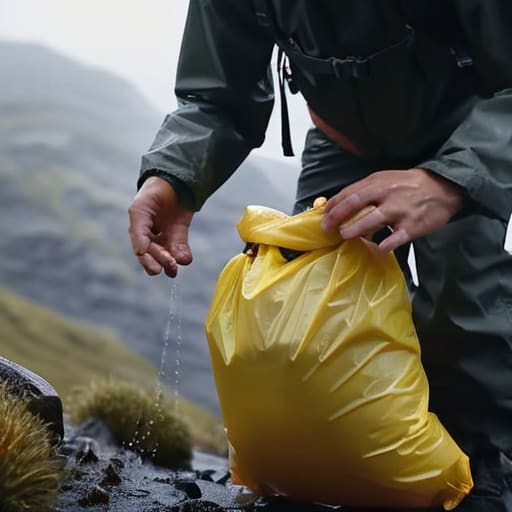
When you’re halfway up a ridge and the mist turns into a steady, driving rain, you realize that a “water-resistant” pack cover is little more than a suggestion. I’ve spent a decade watching rain seep through seams and zippers, eventually turning a well-organized pack into a sodden mess. If you want real waterproof backpack protection, you have to stop relying on the outer shell and start thinking about internal containment.
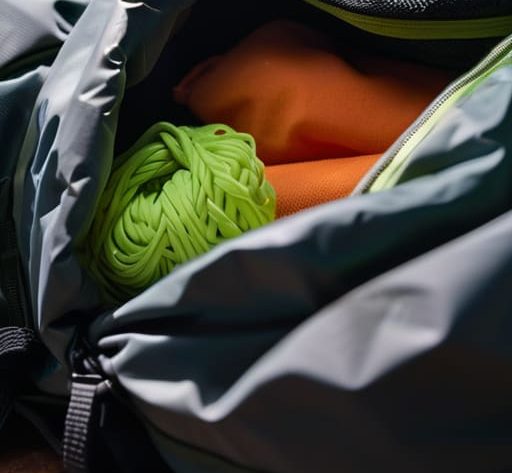
I tend to favor a hybrid approach. For my heavy-duty kit—the sleeping bag and spare layers—I use heavy-duty dry bags. I’ve used my current set of Silnylon bags through roughly forty days of wet Scottish weather, and while they aren’t indestructible, the dry bag material durability holds up well against the constant friction of being shoved into a cramped pack. For smaller, lighter items, I look toward UL hiking gear lightweight liners or even simple heavy-duty poly bags. It’s about the trade-off: you want something that keeps the moisture out without adding an extra kilogram of dead weight to your shoulders. If you’re choosing between them, remember that a liner is a failsafe, not a substitute for good judgment.
Ul Hiking Gear Lightweight Liners vs Heavy Duty Protection
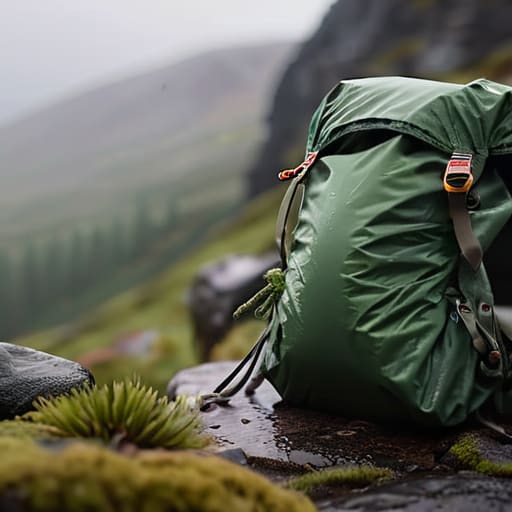
The tension in ultralight hiking is always between the desire to shave grams and the reality of a sudden deluge. I’ve spent a decade weighing up these trade-offs, and the truth is that UL hiking gear lightweight liners are fantastic for managing internal organization, but they aren’t a fail-safe against a truly soaked pack. I’ve used various silnylon stuff sacks over the last five seasons on multi-day treks through the Cairngorms; they keep your spare fleece dry from condensation and minor splashes, but they won’t survive a heavy downpour if your pack cover fails.
If you are planning a trip where you’ll be moving through sustained, heavy rain, you need to look closer at dry bag material durability. I tend to rely on heavy-duty TPU-coated bags for my electronics and sleeping bag. I’ve carried a 10L heavy-duty roll-top through three seasons of Scottish autumns, and while they add a noticeable chunk of weight compared to thin nylon, the peace of mind is worth the extra 50 grams. Don’t mistake organization for absolute protection; a lightweight liner keeps your kit tidy, but a proper dry bag keeps you warm.
Five Rules for Not Waking Up in a Damp Sleeping Bag
- Don’t trust your rucksack’s “waterproof” label. I’ve spent twenty-two years watching rain find its way through even the most expensive Gore-Tex seams during a sustained downpour. A liner isn’t an optional extra; it’s your primary line of defence when the weather turns from a drizzle to a horizontal deluge.
- Prioritise volume over everything else. I’ve seen too many people buy a 30-litre dry bag for a 60-litre pack, only to find they have to cram their gear in so tightly they end up crushing their down jacket. Measure your largest essential items—your sleeping bag and your spare layers—before you buy anything.
- Choose roll-top closures over zips. I’ve used zip-up dry bags for about three seasons now, and frankly, the zips are a point of failure waiting to happen. A roll-top is simpler, more reliable, and much easier to operate when your hands are numb and you’re trying to pack up in a gale.
- Pack in “zones” rather than just dumping gear in. I use one large liner for my sleeping system and smaller, colour-coded dry bags for things like my electronics and my cook kit. It means I’m not digging through a wet mess to find a dry pair of socks at 10:00 PM when the light is gone.
- Weight is a factor, but durability is the priority. I’ve used various ultra-lightweight silnylon liners on fast scrambles, and while they save grams, they tear if you catch them on a stray bit of granite. For anything involving multi-day routes, I stick to heavier TPU-coated fabrics; they’ve survived more scrapes against scree and brambles than any lightweight version I’ve tested.
The Cost of Being Optimistic
I’ve spent too many nights in a sodden tent, listening to the rain hit the flysheet and realizing my spare layers are just heavy, damp sponges, to believe in the ‘water-resistant’ label. You don’t choose a liner based on the sunny walk you’ve planned for tomorrow; you choose it based on the three-day gale you didn’t see coming.
Bridget Halloran
The Final Layer of Defense
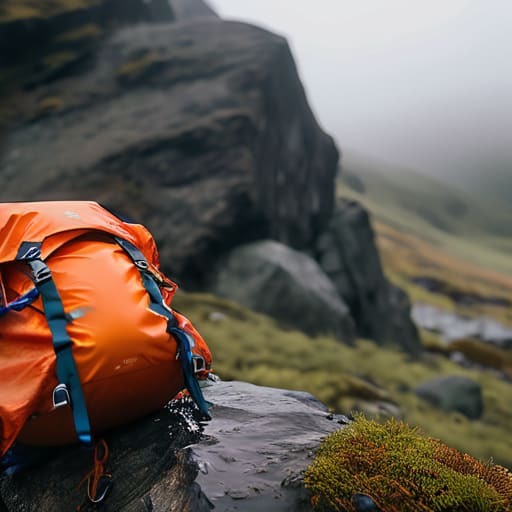
Ultimately, choosing between a single large liner or a system of individual dry bags comes down to how you pack and how much you value organized access versus total volume. If you are a minimalist pushing for ultralight miles, a lightweight sil-nylon liner is your best bet for keeping the bulk of your kit dry without the extra grams. However, if you are someone who likes to grab a specific spare layer or a warm meal without digging through everything, a set of dedicated dry bags is worth every gram of extra weight. I’ve used the same set of medium-sized dry bags for five seasons now, through everything from the biting winds of the Cairngorms to the heavy, humid downpours of the Lake District, and I can tell you that organized dryness is always better than a chaotic, damp pack.
At the end of the day, your gear is only as good as the decisions you make before you step onto the trail. You can have the most expensive waterproof system in the world, but it won’t matter if you ignore a deteriorating forecast or fail to check your seals before leaving the car. The goal isn’t just to arrive at your campsite; it’s to arrive capable. When the wind picks up and the light begins to fail, you don’t want to be fighting a sodden rucksack just to find your base layers. Respect the weather, pack with intention, and remember that the most important piece of kit is your own judgment.
Frequently Asked Questions
If I'm using a waterproof rucksack cover, do I still actually need internal dry bags?
If you’re relying solely on a rain cover, you’re playing a dangerous game. I’ve seen covers fail in high winds or get soaked through during a sustained downpour, turning your pack into a sponge. I’ve used the Osprey lightweight dry sacks for three seasons in the Lake District, and they’ve saved my sleeping bag more than once when the cover shifted. Use the cover to deflect the bulk, but use internal bags for the essentials.
How do I figure out which size dry bag I need without ending up with a bunch of dead, empty space in my pack?
The mistake I see most often is buying one massive dry bag because it feels “safer.” It isn’t. Dead space is just air, and air is what makes your pack shift and wobble on a descent. I’ve used the Osprey Ultralight series for three seasons in the Cairngorms, and I always pack in increments. Use small bags for electronics and socks, and one medium for your sleeping bag. If you can squeeze the air out, do it.
Will a lightweight sil-nylon liner actually hold up if I'm shoving a heavy, sharp-edged stove or tent poles into the bag?
Short answer: No. I’ve used a 20g sil-nylon liner on three separate trips in the Lake District, and while it’s brilliant for keeping everything bone-dry, it’s thin. If you jam a jagged stove burner or the end of a tent pole against it, you’ll end up with a puncture and a very wet night. I always pack my hard, sharp gear in a dedicated, heavy-duty dry bag first, then use the lightweight liner for my clothes.