I was standing on a scree slope in the Cairngorms, three hours behind schedule and watching a bruised purple sky swallow the last of the light, when I realized my feet had completely given up. It wasn’t a sudden injury; it was the slow, rhythmic agony of friction and dampness that comes when you’ve spent twelve hours in a pair of “high-performance” cotton-blend socks that were marketed as moisture-wicking. Most people think learning how to choose socks is about finding the prettiest pattern or the most expensive brand name in a glossy catalog, but they’re wrong. In the mountains, your socks aren’t just clothing; they are a critical piece of safety equipment that dictates whether you finish the ridge or end up shivering in a bivvy bag because you can’t walk.
I’m not here to repeat the marketing fluff you’ll find on a manufacturer’s website. I’m going to tell you what actually happens to a seam after forty miles of wet granite and how a single millimeter of extra padding can be the difference between a successful summit and a total retreat. I will give you the weights, the material realities, and the honest truth about how these layers perform when the temperature drops and the rain turns to sleet.
Table of Contents
Merino Wool vs Cotton Socks Why One Is a Lifesaver
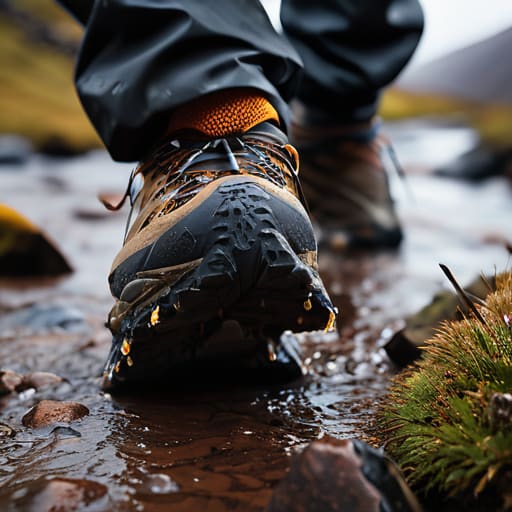
I once led a group through a three-day traverse in the Cairngorms where two hikers had insisted on wearing thick cotton hiking socks they’d bought for a casual stroll. By the second afternoon, the moisture from their sweat and the inevitable rain had turned that cotton into heavy, sodden sponges. Cotton is a death sentence in the mountains because it loses its shape and, more importantly, it holds onto water. Once it’s wet, it stays wet, rubbing against your skin with every step and effectively guaranteeing a blister before you’ve even reached the next col.
When we talk about merino wool vs cotton socks, the difference isn’t just about comfort; it’s about thermal regulation and moisture management. I’ve worn the same pair of mid-weight merino blends for fourteen days straight in damp, temperate conditions, and they still manage to regulate temperature and move moisture away from the skin. Merino is one of the best sock materials for moisture wicking because it can absorb a significant amount of water without feeling truly wet against your foot. It keeps you warm when it’s wet and dry when it’s dry, which is exactly the kind of reliability you need when the weather turns.
The Best Sock Materials for Moisture Wicking in Damp Conditions
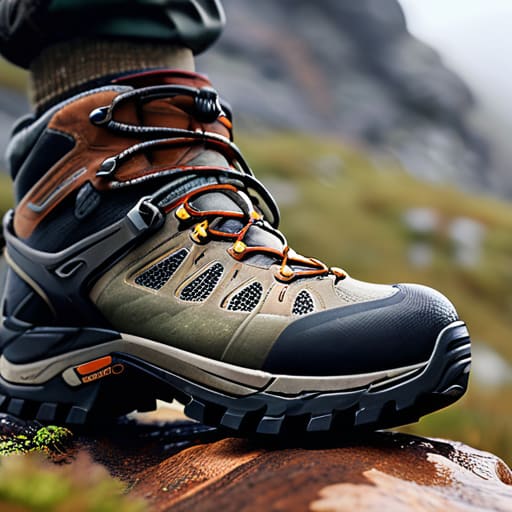
When you’re halfway up a scree slope and the mist starts turning into a fine, biting drizzle, your feet are the first thing to tell you the weather has changed. It isn’t just about being wet; it’s about how that moisture moves. I’ve spent countless hours in boots that felt like buckets because I prioritized warmth over breathability, and I won’t make that mistake again. When looking for the best sock materials for moisture wicking, you have to look past the marketing fluff. Synthetic blends—specifically high-grade nylon or polyester—are designed to pull sweat away from the skin and push it toward the outer layer of the fabric. This is critical because once your skin stays damp, the friction increases, and that is exactly when your skin starts to break down.
I’ve put several pairs of technical synthetic blends through high-intensity treks in the Lake District, often wearing them for twelve hours straight in near-constant humidity. While synthetics are excellent at moving moisture, I find that a hybrid approach often works best for long-distance stability. You need a material that manages the sweat but also maintains its shape. If the fabric loses its tension, it bunches, and bunching is the primary cause of friction-based injuries on long days. You aren’t just looking for a fabric that stays dry; you’re looking for a fabric that keeps your foot’s microclimate stable enough to prevent the dreaded hot spot.
Five Hard Lessons from Twenty Years of Wet Feet
- Ignore the weight on the packet and look at the cushion profile. I’ve worn the ultra-lightweight racing liners for a fast scramble in dry conditions, but the moment the mist rolls in and the temperature drops, those thin layers are useless. You need a medium-to-heavyweight loop knit in the heel and toe; it provides the necessary buffer for when your gait changes because you’re navigating scree or boggy ground.
- Check the seam thickness with your thumb before you buy. I’ve spent too many hours on the ridge with a single, poorly constructed seam cutting into my metatarsals because I was too focused on the brand name. If the seam feels even slightly raised or abrasive in the shop, it will become a blister factory after six hours of repetitive movement in damp boots.
- Prioritise a tight, anatomical fit over “one size fits all” convenience. I’ve used the same pair of Darn Toughs for four seasons of heavy trekking, and the reason they work is that they don’t bunch. If there is even a tiny bit of slack around your arch, that fabric will fold, create a pressure point, and eventually lead to a hot spot that ruins your entire afternoon.
- Don’t forget the compression element. A good technical sock should have a structured arch band that keeps the sock locked to your foot. I’ve seen too many hikers lose their footing because their socks were sliding around inside their boots like a loose sleeve; if the sock isn’t working with your foot, you’re fighting the gear instead of the terrain.
- Match the sock to the actual moisture level of your environment, not just the temperature. If you’re heading into a high-humidity area or a peat bog, you need a higher density of synthetic blend integrated with your merino. I’ve worn pure wool in a heavy downpour, and while it stays warm, it can become heavy and slow to dry; a hybrid blend helps manage that specific, heavy saturation.
The Weight of a Small Mistake
I’ve spent three days in soaked merino wool during a sleet storm, and if you pick the wrong synthetic blend, your feet will be numb before you even hit the treeline; people underestimate how quickly a bit of dampness turns into a decision to turn back.
Bridget Halloran
The Final Layer Between You and the Ground
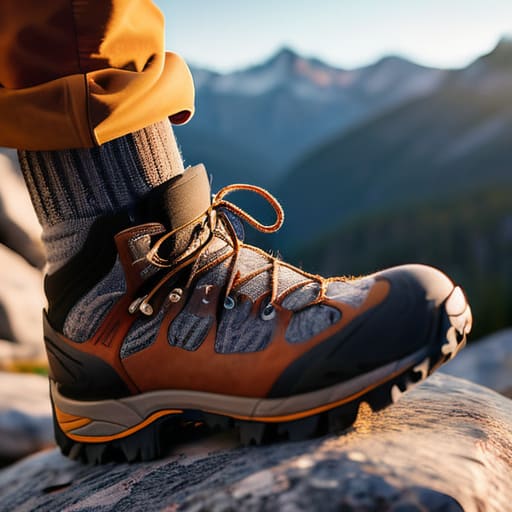
At the end of the day, choosing socks isn’t about finding the softest pair in the shop; it’s about managing the microclimate inside your boot. You need to prioritize moisture management through merino blends, avoid the certain disaster of cotton, and match your sock weight to the specific demands of your terrain. I’ve spent countless hours on high ridges where the temperature drops twenty degrees in ten minutes, and I can tell you that the wrong fabric choice turns a manageable dampness into a legitimate medical issue. If you get the thickness right for your boots and ensure the composition can actually move sweat away from your skin, you’ve already won half the battle against blisters and cold feet.
We often obsess over the high-tech shells or the lightest tents, but your connection to the mountain starts at your soles. Don’t let a single, optimistic decision about “just getting through the day” in subpar gear be the reason you have to cut a trip short or head home early. The mountains don’t care about your gear list, but they certainly react to it. Invest in quality, test your combinations on a short local walk before a big expedition, and respect the small details. When you get the basics right, you stop thinking about your feet and start actually seeing the landscape—and that is exactly when the real walking begins.
Frequently Asked Questions
How many pairs should I actually carry if I'm planning a multi-day trek through variable terrain?
If you’re doing anything more than a day hike, you need a system, not just a pile of spares. For a three-day trek, I carry three pairs: one on, one drying, and one clean. I’ve spent too many nights in damp socks after a heavy descent to risk running out. If the forecast looks temperamental, add a fourth. It’s about having a guaranteed dry pair for when the weather turns, not just when you’re tired.
Is it worth the extra weight to invest in specific liner socks, or is a single thick pair enough?
I’ve spent fourteen days in a row walking the Cairngorms in sodden boots, and I can tell you: a single thick pair is a gamble. If you’re doing a heavy multi-day trek, a thin liner is worth every gram. I use the Bridgedale lightweight liners; I’ve worn them through three weeks of wet heather and grit. They reduce friction by creating a layer between your skin and the heavy wool, preventing the blisters that usually end a trip early.
How do I know if a sock is too thick for my boots, and what happens if the fit is even slightly off?
If your boots feel tight or your toes are pressing against the front, the sock is too thick. I’ve spent fourteen days in heavy leather boots where a single millimeter of extra wool turned a walk into a blister-fest. A slightly off fit means friction. If the heel slips, you’re rubbing raw skin; if it’s too tight, you lose circulation. In the cold, that’s how you get frostnip. If it doesn’t feel like a second skin, don’t lace up.