I remember a Tuesday in late October, standing on a sodden ridge in the Cairngorms, watching a group of otherwise capable hikers stare at a darkening horizon with that specific look of quiet panic. They had ignored the clock for three hours, chasing a view that was already being swallowed by mist, and now they were facing a descent in the dark with heavy legs and dwindling morale. Most people think mastering the hills is about how fast you can move your feet, but they’re wrong; knowing how to use pacing and timing isn’t about speed, it’s about managing your margin for error before the weather decides to take it away from you.
I’m not here to give you a lecture on aerobic capacity or how to use a GPS to track your splits. Instead, I want to talk about the practical, often unglamorous reality of moving through terrain without running out of daylight or willpower. I’ll share what I’ve learned from twenty-two years of leading groups through everything from summer heatwaves to horizontal sleet, focusing on the decision-making processes that actually keep you safe. This isn’t about hitting personal bests; it’s about making sure you’re off the mountain while you still have the light to see where you’re stepping.
Table of Contents
Managing Energy Expenditure Before the Daylight Fades
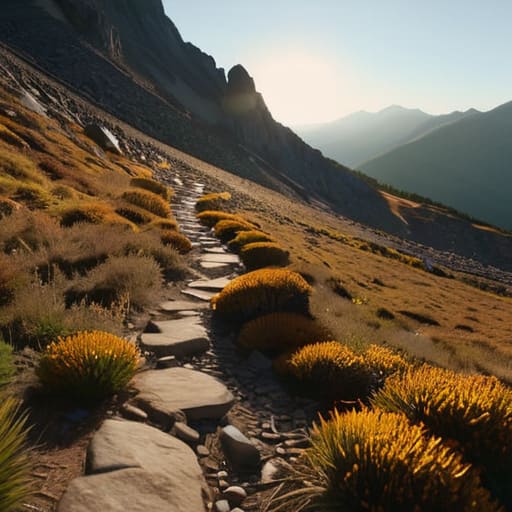
Managing energy expenditure before the daylight fades isn’t about sprinting toward a viewpoint; it’s about ensuring you don’t hit a wall when the temperature drops and the light turns grey. I’ve seen too many groups burn through their glycogen stores on a steep, optimistic ascent in the first hour, only to find themselves shivering and sluggish when they reach the plateau. You need to find a sustainable rhythm in athletic performance that feels almost too easy during the first third of your day. If you are gasping for air on a moderate slope, you are already behind the curve.
I focus heavily on stride length optimization when the terrain gets technical or the descent begins. Taking long, heavy strides wastes energy and hammers your joints, which is a recipe for disaster when you’re trying to navigate a scree slope in fading light. I’ve spent the last three seasons testing various trekking pole configurations to help maintain a steady cadence on long, undulating ridges, and I’ve found that a shorter, more frequent step keeps the heart rate predictable. It’s better to arrive at camp feeling like you could do another five miles than to arrive feeling like you need a medical intervention.
Measuring Split Times When the Weather Turns
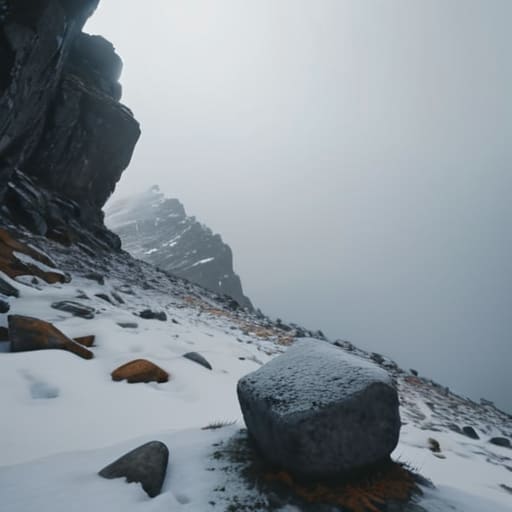
When the wind starts howling across a ridge and the visibility drops to twenty meters, your mental math is the first thing to fail. I’ve seen too many people lose their sense of progress because they were trying to maintain a “normal” pace against a headwind that was actively pushing them backward. In these conditions, you shouldn’t be looking at your average speed; you need to be measuring split times for much shorter, more manageable segments. I don’t care about your hourly average when you’re fighting a gale; I care about how long it takes to get from that boulder to the next cairn.
If you find yourself falling behind your planned schedule, don’t try to “power through” by increasing your effort. That is how you burn out before you even reach the descent. Instead, focus on your cadence and rhythm—keep the steps small and consistent. I’ve spent years watching groups try to force a pace that their bodies can’t sustain in the cold, and it always ends in a panicked, shivering scramble once the light fails. If your splits are slipping, accept it, adjust your timing, and start planning your turnaround point immediately.
The Small Decisions That Stop a Good Day from Turning Into a Rescue

- Stop using your “summit pace” as your baseline. I’ve seen too many groups burn through their glycogen reserves in the first two hours because they were trying to beat a personal best on the ascent. If you aren’t maintaining a steady, conversational rhythm that you can sustain for six hours straight, you aren’t pacing; you’re just borrowing energy from your future self at a very high interest rate.
- Build a “hard turn-back time” into your plan before you even lace up your boots. I don’t care if the view from the ridge looks spectacular or if the group is feeling particularly energetic; if your plan says you need to be off the high ground by 16:00 to avoid the descent in the dark, you turn around at 15:45. Optimism is a dangerous metric for navigation.
- Use your watch for more than just heart rate. I keep a mental log of how many minutes it takes me to cover a specific kilometer of steep, technical terrain versus a flat track. If I notice my split times are creeping up by ten or fifteen minutes over the same stretch of path, it’s a signal that fatigue is setting in or the terrain is changing, and I need to adjust my expectations for the remaining distance.
- Factor in the “friction” of the real world. Most people calculate their timing based on a perfect, dry day. I never do. If the forecast mentions even a hint of rain, I add twenty percent to my estimated travel times. Wet rocks, heavy boots, and the extra effort of navigating around boggy patches aren’t just inconveniences; they are significant time-sinks that will eat your daylight if you haven’t accounted for them.
- Check your clock every time you stop to eat or layer up. It sounds tedious, but it’s easy to lose forty minutes sitting in a sheltered hollow or faffing with a stove when the wind picks up. Every time you sit down, look at the time and ask yourself if that pause has pushed your arrival at the next waypoint into a different light or weather window.
The Cost of One Optimistic Decision
I’ve spent twenty-two years watching people treat their pace like a constant, but on a real mountain, your timing isn’t a math problem—it’s a negotiation with the environment. You can have the best lungs in the world, but if you’re still calculating your split times while the light is dropping and the wind is hitting 40 knots, you aren’t managing your pace; you’re just delaying an inevitable mistake.
Bridget Halloran
The Margin Between Success and a Long Night

At the end of the day, pacing isn’t about how fast you can move; it’s about how much reserve capacity you have left when things go sideways. You have to manage your energy before the sun dips, use split times as an honest metric for when the weather is closing in, and—most importantly—have the discipline to respect the clock over your own ego. If you’ve been tracking your progress and realize the descent is going to take twice as long as you planned because of a sudden drop in temperature or visibility, don’t argue with the math. The numbers don’t care about your summit ambitions, and neither does the mountain.
Learning to time your moves is a skill that takes years of being wrong to master, but it is the most valuable piece of kit you will ever carry. There is a specific kind of quiet confidence that comes from knowing exactly where you are in relation to the light and your limits. When you stop treating the mountain as a race to be won and start treating it as a series of calculated decisions, the landscape changes. You stop being a victim of the elements and start being a guest who knows when it is time to head home.
Frequently Asked Questions
How do I adjust my timing when I'm carrying a heavier pack for a multi-day trip compared to a day hike?
You can’t use your day-hike pace as a benchmark; it’s a recipe for burnout. When I’m lugging a 15kg pack for a multi-day trek, I factor in a 20-30% time penalty on every ascent. I’ve used my Osprey Aether for three seasons on heavy carries, and the physics don’t lie—your center of gravity shifts and your breathing changes. Plan your stops earlier than usual. If you try to maintain your light-pack speed, you’ll hit the wall before the tent is even up.
At what specific point in the afternoon should I decide that the pace is too slow to make the descent before dark?
There is no magic number, but there is a hard rule: you decide when you’ve lost your buffer. I always calculate my descent time based on the earliest possible sunset, then subtract forty-five minutes for mistakes or a twisted ankle. If your current pace means you’ll be hitting the treeline at dusk rather than having a comfortable hour of light left, you’ve already gone too slow. Turn back then. Don’t negotiate with the sun.
How can I accurately estimate my pace when navigating technical, broken ground versus a well-maintained footpath?
On a well-maintained path, you can trust your rhythm. But once you hit broken ground—scree, heather, or those technical rock steps—your pace isn’t just slower; it’s unpredictable. I’ve learned to stop looking at my watch every five minutes and start using landmarks instead. On a path, I might hit 4km/h easily. On a technical scramble in wet conditions, that drops to 1.5km/h. If you don’t account for that friction, you’ll be caught in the dark.