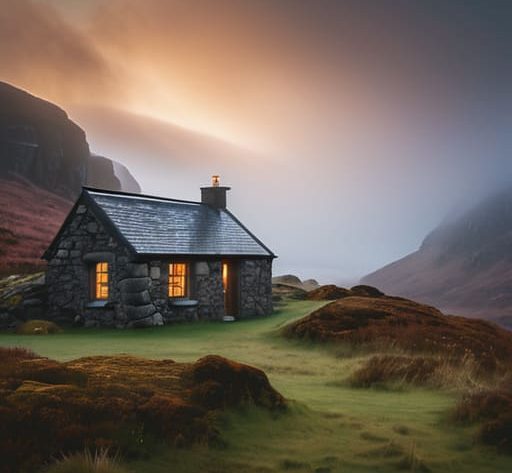
I remember sitting in a damp corner of a stone hut in the Cairngorms, watching the condensation drip from the ceiling while a group of hikers argued about whether their “emergency shelter” was actually sufficient for a night of sleet. They had all the latest, most expensive lightweight gear, but none of them understood that a bothy isn’t a hotel—it’s a tactical fallback. Most online resources try to sell you a dream of cozy evenings by a fire, but if you want a complete guide to bothies and mountain shelters that actually matters, you need to stop looking at the glossy photos and start looking at the reality of the conditions.
I’m not here to give you a list of scenic spots or tell you which huts have the best views. I’m going to tell you how to manage your moisture when the air is thick enough to drink, how to handle a stove when your hands are too numb to work the valve, and why your decision to stay might be the riskiest one you make all day. This is about the practical, unglamorous details that keep you warm and, more importantly, keep you safe when the daylight disappears.
Table of Contents
How to Find Bothies in the Highlands Without Getting Lost
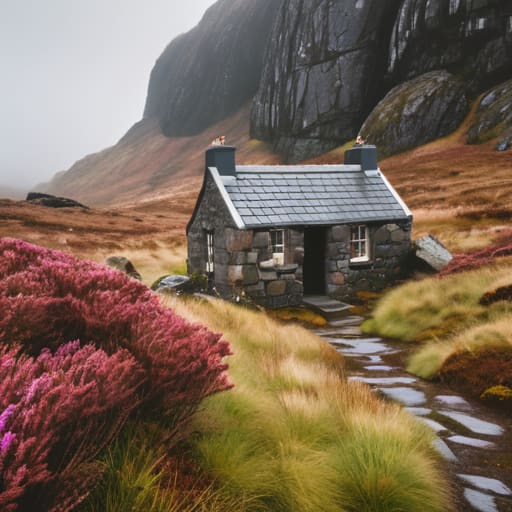
If you’re relying on a smartphone and a single app to tell you where a stone hut is, you’re already making a mistake. I’ve seen too many groups caught in a whiteout because their GPS signal died or their battery froze, leaving them searching for a structure that isn’t on their digital map. To truly learn how to find bothies in the highlands, you need to carry the OS Landranger or Explorer maps and know how to read the contour lines. Most of these shelters are tucked into lee-side depressions or near the base of significant crags—places where the wind won’t strip the heat right out of you.
Don’t just wander aimlessly looking for a roof; use your topographical knowledge to predict where a shelter should be. I always cross-reference my paper maps with the Mountain Bothies Association (MBA) database before I leave the house, but I treat that data as a guide, not a guarantee. Sometimes a track has washed out or a stone wall has collapsed, making the approach much harder than the map suggests. Preparation is the difference between a warm night and a very long, very cold night spent shivering under a tarp.
Wild Camping vs Bothy Staying Choosing Your Kind of Exposure
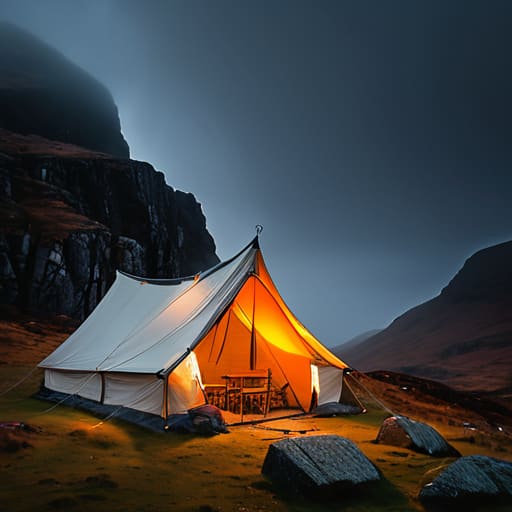
Deciding between a tent and a stone wall usually comes down to how much you trust your kit and how much you trust the forecast. I’ve spent many nights in a lightweight four-season tent—I’ve used my current Hilleberg for three seasons of heavy Atlantic winds and sleet—and while the solitude is unmatched, you are entirely responsible for your own microclimate. If a seam fails or a pole snaps in a midnight gale, you aren’t just uncomfortable; you’re in trouble.
In contrast, the debate of wild camping vs bothy staying is often a trade-off between autonomy and security. A bothy offers a solid roof and a break from the constant battle of pegging down flysheets, but it demands a different mindset. You aren’t just a visitor; you are part of a temporary community. This is where mountain shelter etiquette and rules become vital. You aren’t checking into a hostel; you are occupying a shared, often fragile, space. If you choose the bothy, you bring the responsibility to leave it better than you found it, whereas wild camping requires you to leave no trace of your presence at all.
The Small Things That Stop a Night From Becoming a Disaster
- Manage your heat before you lose it. I’ve seen too many people sit down in a stone bothy with damp clothes and a cold stove, only to spend the next four hours shivering because they didn’t prioritise getting dry and warm immediately. Get your layers on, get the stove going, and don’t wait for the chill to settle into your bones.
- Respect the floor, even if it’s dry. A stone floor is not a mattress; it’s a heat sink that will pull the warmth right out of your sleeping bag. I’ve used my Therm-a-Rest NeoAir XLite on granite floors in sub-zero temperatures for three seasons now, and it’s the only reason I didn’t wake up with a frozen back. Use a decent sleeping mat, or better yet, a foam pad underneath it for extra insulation.
- Leave the place better than the weather left it. If you’re using a shelter, you’re sharing it with the next person who might be in a much worse state than you. This means managing your rubbish and your waste strictly. I’ve spent years as a ranger cleaning up after people who thought “out of sight” meant “gone,” and it’s a disgrace to the landscape and the community that maintains these huts.
- Plan for the light to fail earlier than you think. In the Highlands, “dusk” can turn into pitch black in the time it takes to boil a kettle if there’s a cloud bank rolling in. I always carry a Petzl Actik Core; I’ve used it through countless winter traverses and night-time shelter arrivals, and the reliability is what matters when you’re fumbling with a stove in the dark.
- Don’t rely on a map to tell you if a bothy is actually habitable. A map shows a symbol, but it doesn’t show a collapsed roof, a blocked door, or a floor flooded by a week of horizontal rain. Always have a Plan B—a tent or a secondary bivvy spot—because the moment you realize the shelter is unusable, the window for making a safe decision starts closing fast.
The Reality of the Stone Walls
A bothy isn’t a safety net; it’s just a different kind of exposure. I’ve seen too many people treat a dry stone floor like a hotel room, only to find themselves shivering at 3:00 AM because they forgot that a roof keeps the rain off, but it doesn’t do a damn thing to stop the wind from cutting through your layers.
Bridget Halloran
Final Thoughts Before You Head Out
Ultimately, using a bothy is about managing expectations rather than seeking comfort. Remember that finding one on a map is only half the battle; you need to be prepared for the reality of a damp stone floor, a lack of light, and the responsibility that comes with shared space. Whether you are choosing the controlled exposure of a mountain hut or the total autonomy of wild camping, your safety depends on how you manage your kit and your fuel. Don’t let an optimistic afternoon turn into a desperate night because you forgot that a bothy is a shelter, not a sanctuary. Always respect the Leave No Trace principles—these structures are fragile, and the landscape around them is even more so.
There is a specific kind of quiet that you only find in a bothy when the wind is howling against the stone and you finally have a moment to sit. It is a hard-won peace, earned through miles of climbing and the careful decisions that kept you moving in the right direction. If you prepare properly, respect the weather, and know your limits, these shelters become more than just stone walls; they become part of the story of your journey. The mountains don’t care if you make it to the hut, so make sure you give yourself every possible advantage to get there safely.
Frequently Asked Questions
What's the actual protocol for managing waste and hygiene when there's no running water or facilities?
You don’t leave anything behind. Period. I’ve spent too many years repairing footpaths to watch people treat the hills like a bin. If you’re staying in a bothy, carry a trowel and dig a hole at least 15cm deep, well away from any water source. For hygiene, use biodegradable soap sparingly and far from streams, or better yet, just use water. I’ve carried a small pack of wet wipes through three days of sleet in the Cairngorms; they work, but you must pack them out in a sealed bag.
How do I prepare my kit to ensure I stay warm and dry if the shelter is damp or overcrowded?
Don’t rely on the shelter to do the work for you. I’ve spent three nights in cramped bothies where the condensation makes the walls weep, and you’ll get damp if you’re careless. Pack a lightweight, high-R-value sleeping mat; I’ve used my Therm-a-Rest NeoAir for six seasons in soaked conditions, and that air gap is your only real defense against a freezing floor. Bring a dedicated dry bag for your sleeping bag—keep it sealed until you’re inside.
At what point in a deteriorating weather forecast should I decide to abandon the bothy plan and head for lower ground?
The moment you see the wind speed on the forecast doubling while the temperature drops, you stop looking at the bothy as a destination and start seeing it as a potential trap. If the wind is gusting near your shelter’s limit or visibility is dropping faster than your pace, turn back. I’ve seen too many people hunker down in a stone hut only to realize they’ve trapped themselves in a localized cell they can’t navigate out of.